 One of the most common dilemmas of business start-ups is choosing the best products to sell. Aside from that, another challenge is finding the right supplier to get the products from. With a lot of suppliers all over the world, it can be hard to select a reliable and trustworthy one with whom you can have a great business relationship in the long run.
China is top of mind as far as product importation is concerned. Through the years, the mega-country has positioned itself as the world’s largest manufacturing hub. China is indeed a great country to source items to sell. However, there are several things you should consider before choosing the best items your business can sell.
In this article, I’d like to share with you the common risks of sourcing products in China while embracing the opportunities that come with it.
1. Lack of well-defined strategy
When sourcing products in China, you must have a well-defined sourcing strategy including locating the best supplier for your particular needs. Many companies fail to do the proper due diligence when sourcing for goods in China. As a result, they may not get the best deal in terms of price, quality, functionality, or timely delivery.
To avoid this mistake, you must have a methodical sourcing strategy. Successful sourcing strategies typically include:
Identifying suppliers.
Verifying suppliers.
Managing quality control.
Deciding which sourcing method, direct purchase or using a sourcing agent best fits your needs.
2. No standards for suppliers
Before searching for suppliers, it is important to have defined standards. Well-defined standards can determine whether sourcing efforts are successful. For example, a company might initially purchase a small order of electronic parts from a Chinese supplier and be happy with the product quality only to learn that delivery on larger follow-up orders would be delayed due to the supplier’s limited production capacity. If the company needs the parts delivered on time to capitalize on the holiday season sales rush, it runs the risk of losing profits, all because it did not eliminate potential suppliers with limited production capacity.
Due diligence is perhaps the most important step when sourcing in China, yet many companies fail to perform adequate due diligence and end up being scammed. Some fail to perform due diligence at all!
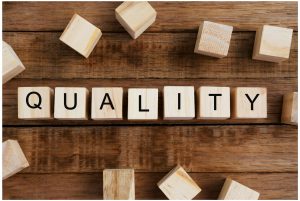
3. Lack of quality control
It is crucial to verify and assure the quality of your products. You need to hire a quality control company to check quality on behalf of you. The QC inspectors can personally visit your supplier’s factory, pull random samples, and check the safety, function and appearance. Also, when necessary, the QC inspectors can perform in-house testing, such as hi-pot test, endurance test, abuse test, and package test.
If quality control is missing, you face high risks of receiving defective products in bulk QTY. It’s always too late if problems are found by yourself at your warehouse, or even worse, found by the customers. So, it is very important to make sure all potential problems are reported before the products leave China, so corrective actions can be taken.
 Elkexpress



您好!Please log in